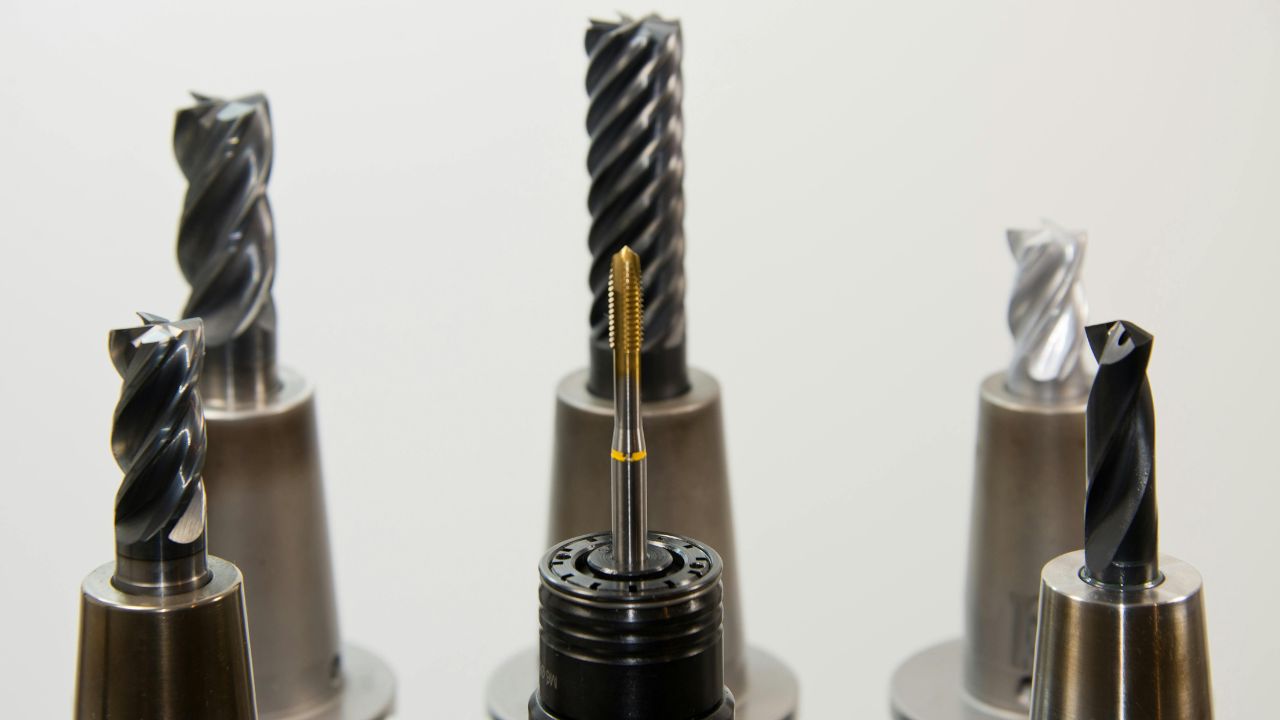
Rising Importance of Carbide Components in CNC Manufacturing
Modern CNC industries rely heavily on high-performance tooling and precision-engineered components to maintain production accuracy and operational efficiency. As manufacturing standards continue becoming more advanced, industries now require components capable of delivering long-term durability, dimensional stability, and resistance to wear under demanding machining conditions. Among these critical industrial components, Precision Carbide Pins have become an essential part of modern CNC manufacturing systems.
Carbide pins are widely used across industrial applications because of their excellent hardness, strength, and wear resistance. These properties make them highly suitable for precision machining environments where continuous operation and consistent performance are necessary. CNC industries depend on carbide pins for tooling systems, alignment mechanisms, punching applications, positioning assemblies, and high-precision industrial operations.
Attri Tech Machines Pvt. Ltd. is a global supplier and leading manufacturer exporter of
Precision Carbide Pins for CNC and industrial applications. With advanced manufacturing infrastructure and precision engineering expertise, the company provides high-quality carbide pin solutions designed for demanding industrial requirements.
As CNC machining technologies continue evolving, the need for durable and highly accurate carbide components is increasing rapidly across automotive, aerospace, tooling, medical, and industrial manufacturing sectors.
Understanding Precision Carbide Pins in CNC Applications
Precision Carbide Pins are cylindrical industrial components manufactured using tungsten carbide and related carbide materials known for exceptional hardness and durability. These pins are commonly used in CNC industries where dimensional accuracy and wear resistance are critical for maintaining operational reliability.
Carbide pins perform important functions in tooling assemblies, alignment systems, die components, and precision mechanical applications. Since CNC machinery operates at high speeds and under continuous mechanical stress, industrial components must maintain structural stability and dimensional consistency throughout long operational cycles.
The primary advantage of carbide material lies in its hardness. Compared to conventional steel components, carbide pins provide significantly better wear resistance and longer operational life. This makes them ideal for high-precision industrial environments where consistent performance is essential.
Modern Precision Carbide Pins are manufactured with strict dimensional tolerances and smooth surface finishes to ensure accurate positioning and reliable operational movement. High-quality carbide pins also help reduce downtime caused by component wear and replacement.
As industries continue demanding higher production efficiency and tighter machining tolerances, carbide pin manufacturing has become an increasingly important area within CNC engineering.
Role of Carbide Material in Industrial Performance
Tungsten carbide has become one of the most preferred materials in industrial manufacturing because of its exceptional mechanical properties. CNC industries rely on carbide components to improve operational efficiency and maintain long-term production reliability.
Precision Carbide Pins manufactured from tungsten carbide offer superior hardness compared to traditional metal materials. This hardness helps maintain dimensional stability even under heavy mechanical loads and continuous friction conditions.
Wear resistance is another major advantage. CNC industries often involve repetitive machining operations where standard components may wear out quickly. Carbide pins maintain their structural integrity for much longer periods, reducing maintenance requirements and improving operational consistency.
Heat resistance also contributes significantly to industrial performance. High-speed CNC operations generate heat through friction and continuous movement. Carbide materials can withstand elevated temperatures without losing strength or dimensional accuracy.
Corrosion resistance further improves reliability in industrial environments where moisture, chemicals, or harsh operating conditions may affect component lifespan.
These material properties make Precision Carbide Pins highly suitable for demanding CNC applications requiring accuracy, durability, and long-term operational stability.
Manufacturing Process of Precision Carbide Pins
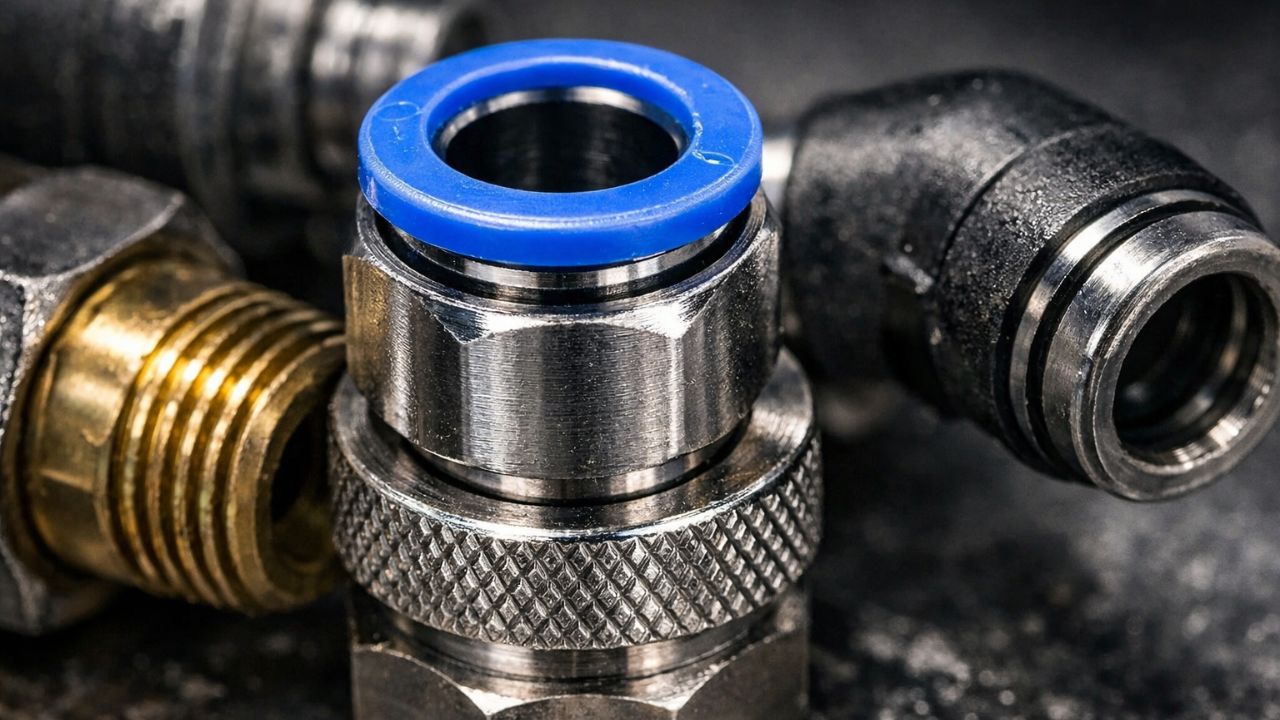
The manufacturing of industrial carbide components requires advanced engineering techniques and strict quality control systems. Producing Precision Carbide Pins involves multiple precision machining and finishing operations to achieve required industrial standards.
The process usually begins with raw material preparation using high-quality tungsten carbide powder and binding materials. These materials are carefully processed to create carbide blanks with the required structural properties.
After initial shaping, CNC grinding and precision machining operations are performed to achieve exact dimensions and surface finishes. Advanced grinding machines help manufacturers maintain tight tolerances required for industrial applications.
Surface finishing plays an important role in carbide pin manufacturing because smooth finishes reduce friction and improve operational efficiency. Precision polishing techniques help achieve accurate surface quality while maintaining dimensional consistency.
Inspection and testing are critical stages in the manufacturing process. Every carbide pin undergoes detailed dimensional verification and quality analysis before final approval.
Modern manufacturing technologies allow producers to create Precision Carbide Pins with exceptional accuracy and repeatability, supporting both custom and large-scale industrial production requirements.
Importance of Dimensional Accuracy in CNC Industries
Dimensional precision is one of the most important requirements in CNC manufacturing. Industrial systems often involve tightly fitted assemblies where even minor dimensional variations can affect operational performance.
Precision Carbide Pins are manufactured with strict tolerance control to ensure accurate alignment and reliable positioning within CNC systems. High dimensional accuracy helps improve machining consistency and reduces the risk of operational errors.
In tooling applications, carbide pins help maintain precise positioning during machining and assembly operations. Accurate component placement improves production quality and minimizes alignment-related issues.
Surface finish quality also affects dimensional performance. Smooth carbide pin surfaces reduce friction during movement and improve compatibility with surrounding assemblies.
Modern CNC industries demand highly accurate industrial components because precision directly influences product quality, machine efficiency, and operational reliability.
Advanced measuring systems such as coordinate measuring machines and digital inspection technologies help manufacturers maintain consistent dimensional standards throughout production.
Applications of Precision Carbide Pins in Different Industries
Precision Carbide Pins are used across multiple industrial sectors that require reliable and wear-resistant components for precision operations.
The automotive industry uses carbide pins in tooling systems, stamping operations, and alignment assemblies where long operational life and dimensional accuracy are essential.
Aerospace manufacturers also depend on Precision Carbide Pins because aircraft component production requires highly accurate tooling systems capable of maintaining consistent machining precision.
The electronics industry uses carbide pins for micro-machining and precision assembly applications involving small and delicate components.
Medical equipment manufacturing requires precision-engineered carbide components for surgical tools, precision instruments, and specialized machining systems.
Industrial automation systems use carbide pins within robotic mechanisms and precision control assemblies where stable movement and wear resistance are critical.
Tool and die manufacturing is another major application area where carbide pins support punching, forming, and precision alignment operations.
As industrial production continues becoming more advanced, the demand for high-performance carbide components is steadily increasing worldwide.
Advantages of Using Precision Carbide Pins
Industrial manufacturers prefer carbide components because they offer several performance advantages over conventional metal parts.
One major benefit of Precision Carbide Pins is extended operational life. Their exceptional hardness allows them to resist wear even during continuous industrial use, reducing replacement frequency and maintenance downtime.
Another important advantage is improved machining accuracy. Carbide pins maintain dimensional consistency over long periods, helping industries achieve reliable production quality.
High resistance to heat and corrosion further improves component durability in demanding manufacturing environments.
Carbide pins also support better operational stability in precision machinery. Reduced vibration and improved positioning accuracy help increase production efficiency.
The ability to maintain performance under heavy mechanical loads makes carbide pins suitable for high-speed CNC operations and automated manufacturing systems.
Long-term cost efficiency is another important benefit. Although carbide components may involve higher initial investment, their durability and reduced maintenance requirements help lower operational costs over time.
These advantages make Precision Carbide Pins an essential part of modern industrial manufacturing systems.
Challenges in Carbide Pin Manufacturing
Despite their performance benefits, carbide component manufacturing involves several technical challenges. Producing highly accurate Precision Carbide Pins requires advanced machining expertise and specialized manufacturing infrastructure.
One major challenge is machining hardness. Tungsten carbide is extremely hard, making precision grinding and shaping operations more complex compared to standard metal machining.
Maintaining tight dimensional tolerances is another critical requirement because industrial applications often involve extremely precise specifications.
Surface finish quality must also be carefully controlled to ensure smooth operational movement and proper assembly compatibility.
Material brittleness presents another challenge. Although carbide offers excellent hardness, improper handling or machining conditions may increase the risk of chipping or cracking during production.
Manufacturers must also balance production efficiency with precision requirements. High-quality carbide machining often requires slower grinding processes and specialized tooling systems.
Continuous investment in advanced grinding technologies, precision inspection systems, and skilled engineering expertise helps manufacturers overcome these challenges successfully.
Quality Standards in Precision Carbide Pin Manufacturing
Quality assurance plays a major role in industrial component manufacturing because CNC industries require consistent performance and operational reliability.
Modern Precision Carbide Pins undergo detailed quality inspections throughout the production process. Manufacturers verify dimensions, surface quality, hardness, and structural integrity before final approval.
Advanced digital inspection systems help maintain strict tolerance accuracy and identify even small dimensional deviations.
Material testing procedures are also important for ensuring proper hardness and wear resistance characteristics. Manufacturers often perform stress analysis and durability evaluations depending on industrial application requirements.
Surface finish inspection helps confirm smooth operational compatibility and reduced friction performance.
Traceability and documentation are also essential in industrial manufacturing because they help maintain production transparency and support quality compliance requirements.
Strong quality control practices help manufacturers deliver reliable carbide pin solutions capable of meeting demanding industrial expectations.
Future of Precision Carbide Components in CNC Industries
The future of industrial manufacturing is becoming increasingly dependent on precision engineering and advanced material technologies. CNC industries are continuously moving toward higher machining speeds, tighter tolerances, and automated production systems.
Precision Carbide Pins will continue playing a major role in supporting these evolving industrial requirements. Advanced carbide grades and improved manufacturing technologies are expected to deliver even greater durability and operational performance in the coming years.
Automation and smart manufacturing systems will further improve precision machining consistency and production efficiency.
Research into advanced carbide materials may also lead to improved resistance against wear, heat, and mechanical stress, supporting longer component lifespan.
Sustainability is becoming another important focus area in industrial manufacturing. Durable carbide components help reduce material waste and improve operational efficiency by minimizing replacement frequency.
As CNC industries continue advancing globally, the demand for reliable and high-performance carbide pin solutions will continue growing across multiple industrial sectors.
Author Bio:
Kiran Deshmukh is a seasoned technical blogger and industry researcher with more than 10 years of experience analyzing industrial operations, manufacturing developments, and evolving engineering practices. His content is shaped by hands-on exposure to technical environments and a strong understanding of production standards, process improvements, and emerging technologies. Kiran focuses on delivering accurate, well-structured information that helps readers better understand complex topics through practical examples and clear explanations. He regularly writes about industrial trends, quality-focused practices, modern production methods, and business-oriented technical insights, offering readers reliable knowledge that supports informed decisions and long-term industry awareness.
Contact: kirandeshmukh2022@gmail.com